Quinn Hayes · 24 October 2026
Charting Maintenance Windows and Their Influence on Crawl Efficiency in Custom Digital Ecosystems
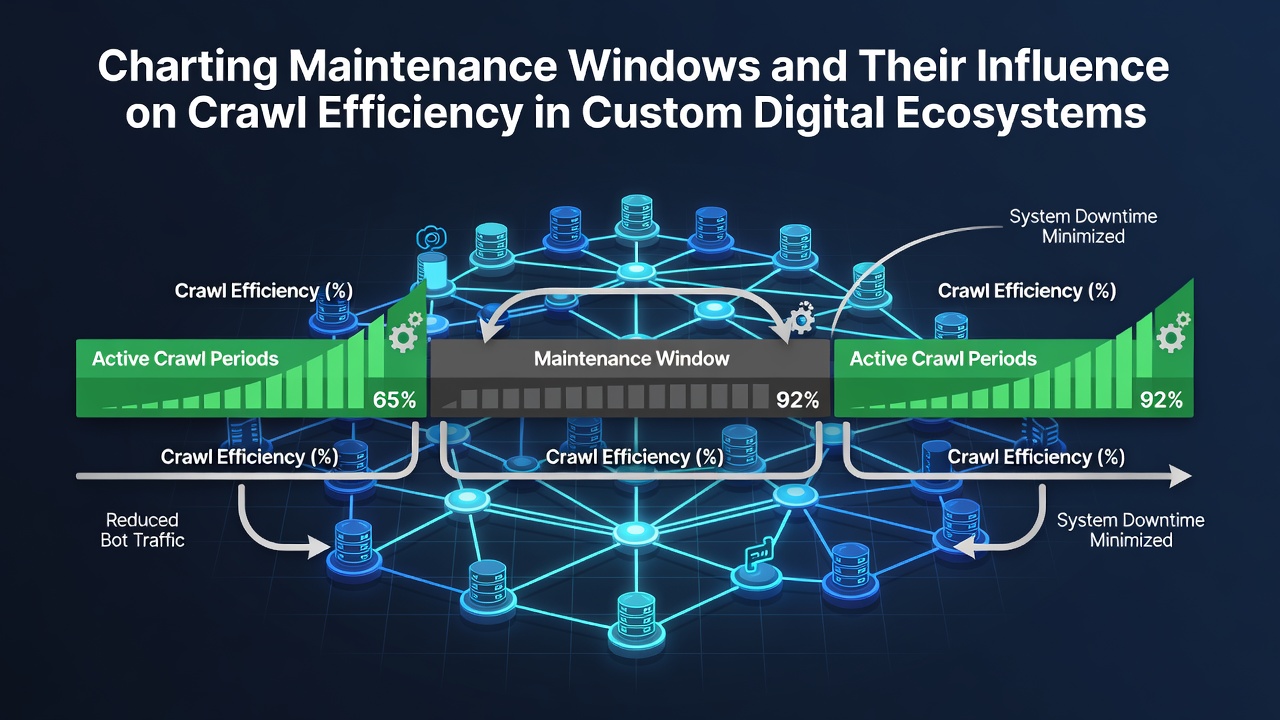
Custom digital ecosystems rely on carefully planned maintenance windows to handle updates, security patches, and infrastructure scaling without disrupting core operations, yet these scheduled downtimes often intersect with the timing patterns that search engine crawlers use to index content. Observers note that crawl efficiency drops when maintenance periods overlap with peak bot activity, and researchers have documented how even brief interruptions can delay indexation for hours or days depending on the site's crawl budget allocation. Data from various monitoring platforms shows that sites with custom architectures experience more pronounced effects because their server configurations and content delivery networks respond differently to traffic pauses compared to standardized cloud setups.
Defining Maintenance Windows in Tailored Digital Environments
Maintenance windows represent designated time blocks where teams perform essential tasks such as database optimizations, code deployments, or hardware refreshes, and in custom ecosystems these intervals must account for unique dependencies like proprietary APIs or specialized caching layers. Experts have observed that organizations typically select off-peak hours based on historical traffic data, but this approach does not always align with crawler visitation schedules that follow algorithmic predictions rather than human usage peaks. Studies indicate that misalignment occurs frequently because crawlers prioritize freshness signals and site authority metrics when deciding visit times, which creates gaps where maintenance can inadvertently block access to new or updated pages.
How Crawlers Interact with Scheduled Downtime
Search engine bots like Googlebot and Bingbot operate on crawl budgets that reflect a site's perceived importance and technical health, and when a maintenance window renders pages unavailable the affected requests return error codes that reduce future allocation. Research indicates that repeated 5xx errors during these periods lead to lower crawl rates over subsequent weeks, while temporary blocks via robots.txt or server configurations compound the issue by signaling instability. Those who track these patterns through server logs report that custom ecosystems suffer additional delays because their non-standard URL structures and dynamic content generation require more processing time once access resumes.
Measuring Impact Through Log Analysis and Metrics
Log files provide the primary evidence for assessing crawl efficiency shifts, and analysts examine timestamps, response codes, and user-agent strings to map crawler behavior against maintenance schedules. Figures reveal that sites conducting weekly windows of two to four hours see crawl volume reductions averaging 15 to 30 percent in the following 48-hour window, according to aggregated data shared by web performance researchers. In October 2026, several major platforms plan protocol adjustments that may alter how bots handle retry logic after encountering downtime, which could further influence recovery timelines for custom setups.
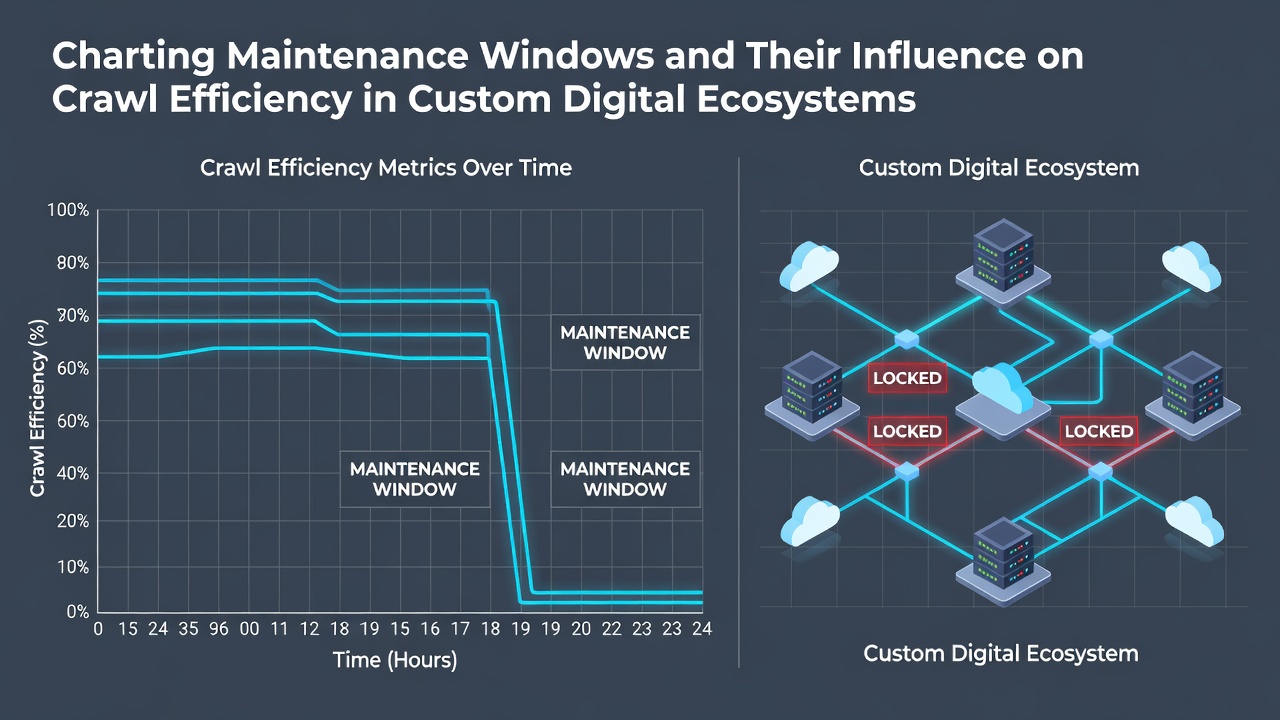
One study revealed that teams using predictive modeling to shift windows away from known crawl peaks achieved steadier indexation rates, and the same analysis highlighted how content delivery networks in custom environments sometimes cache error responses longer than expected, extending the effective downtime for crawlers. Observers note that monitoring tools capable of distinguishing between human and bot traffic help identify these secondary effects before they accumulate into broader visibility losses.
Strategies for Aligning Windows with Crawler Patterns
Organizations chart maintenance windows by combining historical log data with external signals such as Google's crawling documentation, which outlines factors that influence visit frequency. This integration allows teams to identify low-activity periods that still avoid critical crawler windows, and case examples show reduced error rates when windows incorporate buffer time for retry attempts. Another effective method involves gradual rollouts that keep portions of the ecosystem available, thereby preserving crawl continuity while updates proceed in stages.
Canadian digital infrastructure reports emphasize the value of testing maintenance sequences in isolated environments first, and similar findings from European research institutions confirm that phased approaches minimize the duration of full-site unavailability. Those who apply these techniques report more consistent crawl metrics across reporting periods, particularly when they track changes through dedicated dashboards that correlate maintenance events with subsequent indexing activity.
Longer-Term Effects on Indexation and Visibility
Persistent misalignment between maintenance schedules and crawler behavior can lead to stale content remaining in search results longer than intended, and data shows that recovery often requires multiple successful crawl cycles once normal access returns. Custom ecosystems face heightened risks here because their unique content structures demand more resources per visit, which bots may deprioritize after encountering repeated blocks. Industry analyses from Australian academic sources suggest that proactive communication with search engines through sitemap updates and server header adjustments can accelerate re-crawling after maintenance concludes.
Conclusion
Effective charting of maintenance windows requires ongoing analysis of both internal operational needs and external crawler patterns, and the data consistently shows that thoughtful scheduling preserves crawl efficiency in custom digital ecosystems. Teams that incorporate log-derived insights and external guidance achieve steadier indexation outcomes, while those who treat maintenance as isolated events risk compounding delays that affect visibility over time. As platforms evolve and new protocol changes take effect, the relationship between these two factors will continue to demand precise coordination based on measurable evidence rather than assumptions.